
Field Notes · The Method
What forestry mulching actually is
Forestry mulching is mechanical land clearing done in a single pass: a drum cutter mounted on a tracked machine grinds standing brush, saplings, and stems up to six inches in diameter into a chip layer that stays on the ground as mulch. Nothing is piled, burned, or hauled — the machine that fells the growth also finishes the site.
Most people picture "clearing land" as bulldozers, brush piles, and either a bonfire or a convoy of dump trucks. That's one way — the oldest way. Forestry mulching replaced the convoy with a cutting head, and understanding how changes what you'll ask for when you want your land back.
How does the machine clear land in one pass?
The carrier is a tracked machine — in our case a Bobcat T86-2 compact track loader — with a 61-inch hydraulic drum mulcher mounted where a bucket would go. The head is a steel drum spinning carbide teeth. As the machine moves forward, the drum shears standing growth at ground level and processes it into chips in the same motion, spreading them behind the machine as it goes.
That single-pass character is the whole trick. Felling, processing, and finishing are one operation, so there's no staging area, no pile waiting for a burn day, no second mobilization for cleanup. When the machine reaches the end of the flagged zone, the project is essentially done.
What happens to all the material?
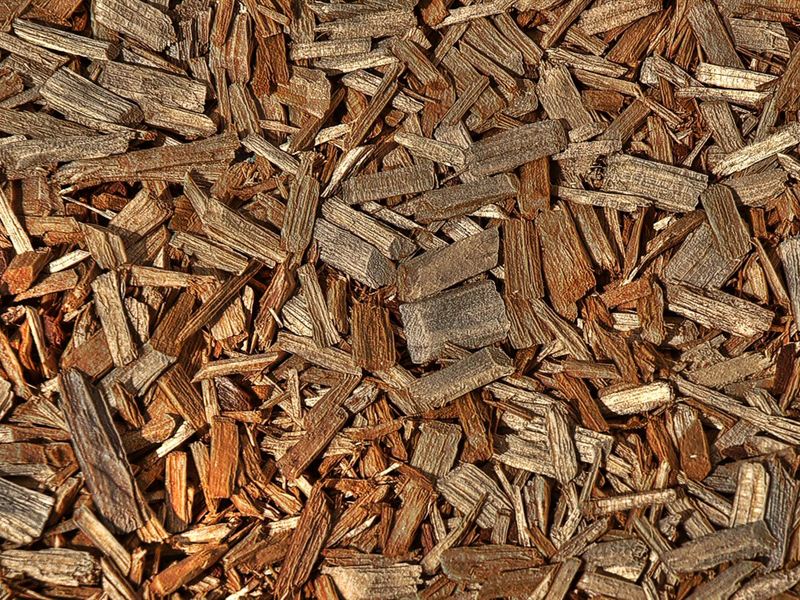
It stays — deliberately. The processed chips form a mulch layer, typically three to four inches deep, across the worked ground. That layer is not debris; it's the finish. It suppresses regrowth, prevents erosion, holds soil moisture through dry months, and returns nutrients to the ground as it breaks down. Land cleared by stripping needs a restoration plan; land cleared by mulching ships with one built in.
What can it cut — and what can't it?
The honest working range is standing vegetation and stems up to about six inches in diameter at breast height. Brush, saplings, invasive thickets, old field growth, softwood understory — all squarely in range. Mature timber is not: a big machine can chew a big tree, but it shouldn't, and a company that says yes to everything is telling you something. Above the six-inch line, the right tools are a timber harvest or an excavator, and the right move is a company that says so plainly.
What does the ground look like afterward?
Walkable, open woods — not a construction site. Stems cut flush near grade, mature trees you chose to keep still standing, the root mat intact under a clean chip layer. You can walk it the same day. There's no torn earth, because the machine works on top of the root structure rather than ripping it out, and the wide tracks spread the machine's weight to keep ground pressure low.
When is mulching the right choice?
When the goal is opening land for use: restoring a view corridor, cutting walking trails, reclaiming a field edge, preparing a lot for survey and site work, or turning an impassable back parcel into ground you can actually stand on. When the goal is a foundation, a driveway, or removing mature timber, mulching is the wrong tool — and knowing the difference before you collect quotes will save you a season of confusion.
See It On Your Land
Wondering what your parcel could be?
Tell us about the property — three minutes, no obligation, and a straight answer about whether mulching is the right tool for it.
Start Your Project Forestry mulching only · Stems to 6 in.